Welcoming Little Helpers Into Daily Home Work
September 7, 2026 · 6 min read
September afternoons often bring a cool shift to the air and a fresh pile of laundry on the living room rug. If you have a two or three year old nearby, folding that basket never happens quickly. Little fingers grab clean socks, run them down the hallway, or turn a freshly folded pile into a soft nest. When you need things put away before supper, it is tempting to wait until naptime or set up a quiet distraction in the other room just to finish the job.
Yet young children watch everything we do with deep curiosity. They see grown-ups carrying baskets, sweeping crumbs, and wiping counters, and they naturally want to be in the middle of that motion. While their help is clumsy, messy, and definitely slow, opening the door to their participation creates an early rhythm of shared home life. With a few thoughtful adjustments, you can invite their little hands into daily care without losing your afternoon.
Why Clumsy Help Matters More Than Speed
When an adult sweeps the floor, it takes two minutes. When a toddler helps sweep the floor, dust drifts into three corners, the broom head bumps into baseboards, and the whole affair takes ten minutes. It is easy to look at that extra time as a loss. In terms of pure efficiency, it is. But when little children join the physical work of keeping a home, they are learning how rooms work and where things belong.
Working alongside you lets them feel the weight of a laundry basket and see that dry towels belong in the closet. You are not trying to produce a spotless floor or perfectly aligned corners. You are simply letting them practice holding the handle and sweeping debris toward a pile. When you treat the work as a shared companionable hour rather than a race to an empty counter, the friction often softens into steady companionship.
Simple Jobs That Fit Very Small Hands
Toddlers do best with tasks that have clear physical boundaries, visible targets, and durable objects. Abstract instructions like clean your area will not make sense to someone who just learned their colors last year. Instead, offer single actions that end with a definite click, thud, or drop. You can explore how simple setups look across our features page.
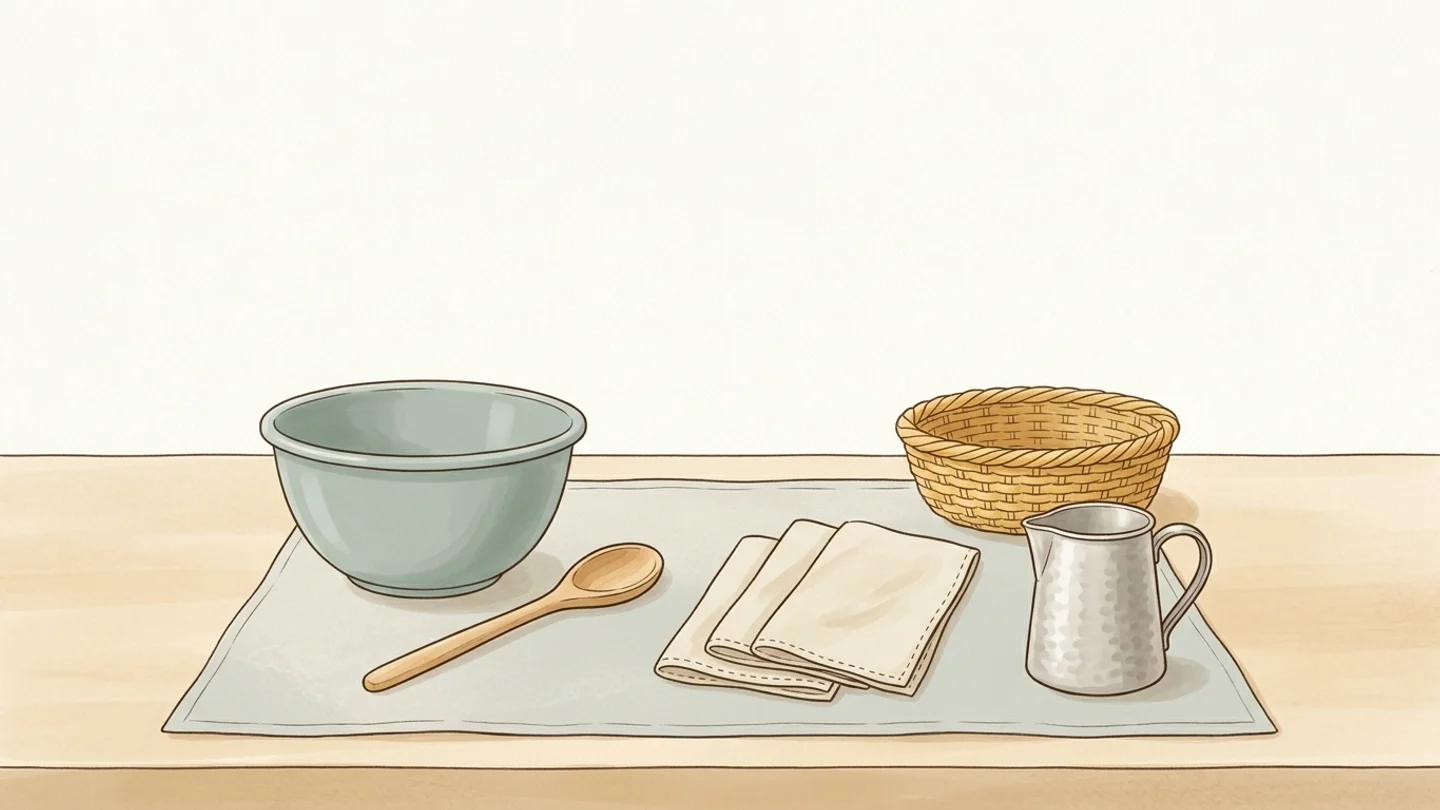
- Carrying soft cloth napkins from the drawer to the dinner table.
- Dropping plastic cups or silicone bowls one by one into the bottom drawer.
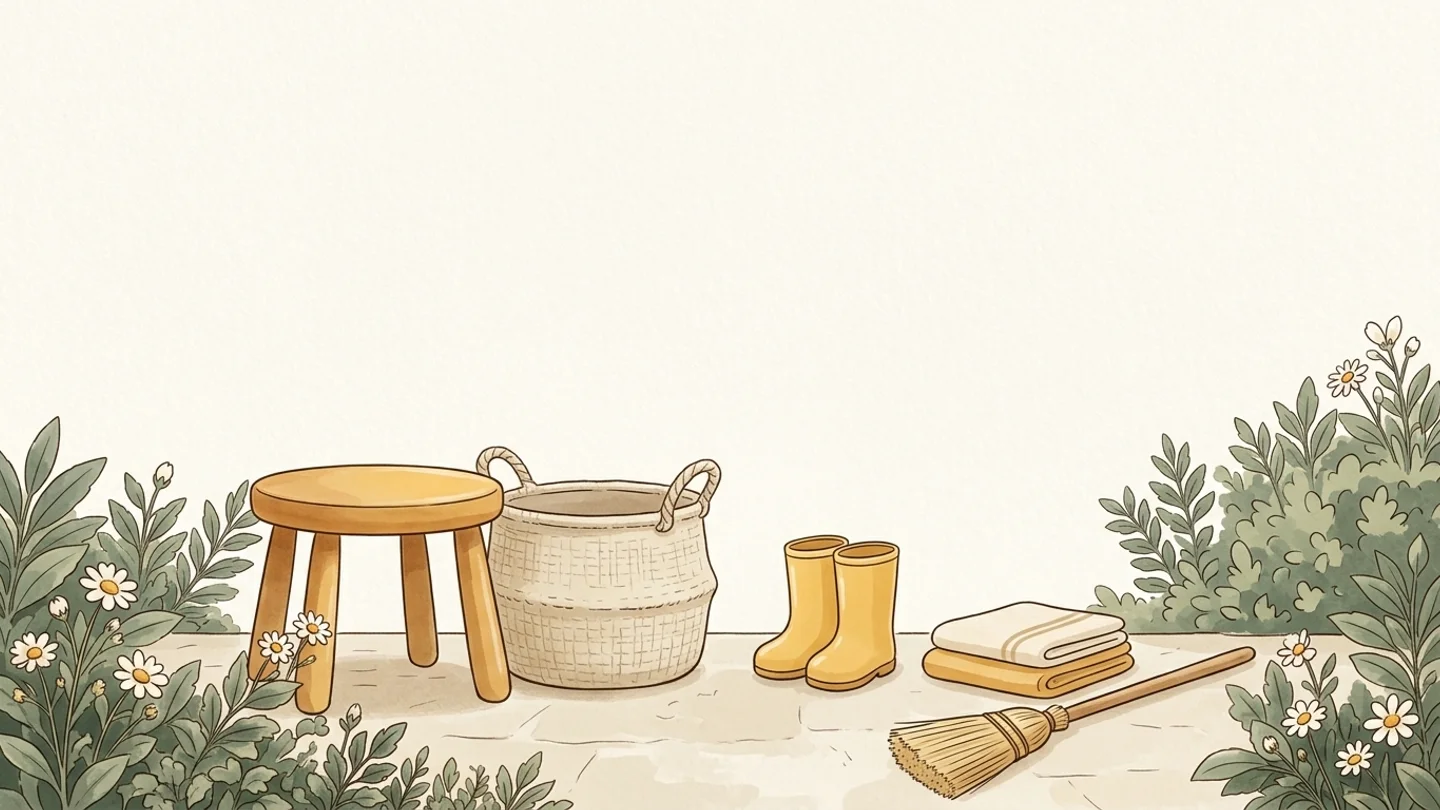
- Gathering shoes by the front door and lining them up along a floor tape mark.
- Putting clean socks into a dedicated wire basket.
- Wiping a low coffee table with a slightly damp washcloth.
Notice that none of these tasks involve fragile ceramic dishes, sharp edges, or heavy lifting. If a napkin falls on the kitchen rug, nothing breaks. If three shoes end up upside down, they still sit in the designated spot near the door.
Setting Up Your Space to Lower the Mess
A lot of frustration with early chore attempts comes from asking toddlers to operate in an adult-sized world. Heavy cabinet doors, high shelves, and full spray bottles create awkward moments before the work even starts. You do not need to buy tiny custom furniture, but making a few smart adjustments lets young kids reach what they need without a boost.
Place everyday drinking cups and snack plates in a low cupboard where a two year old can pull them out safely. Keep a small basket of clean rags on an accessible shelf. When spilt water happens, a child can walk over, take one dry rag, and pat the floor dry. Giving them direct access to the tools of tidying lets them participate without waiting for an adult to retrieve every single sponge.
Home is a shared workshop where every pair of hands finds something steady to hold.
Recording Early Help and Modest Rewards
In Chorzle, grown-ups can create chores with point values or mark them as just expected tasks that help the day run smoothly. For very young children, seeing their name alongside an older brother or sister can feel exciting. You might assign an expected chore called shoe patrol or dish helper. When a chore does carry Chorzle points, remember that points arrive after grown-up approval when approval is required by your family settings.
Families who use the app can browse simple options designed for kids, tracking what gets finished during the afternoon. When small children gather earned Chorzles, modest experiential rewards keep things grounded. A child might spend points to pick the evening bedtime story, choose the silly dance song for after dinner, or wear a favorite costume hat while packing lunches. Affection, bedtime comfort, meals, and family closeness remain available no matter what the points show.
Adapting the Routine for Different Ages
Homes often have multiple ages sharing the same rooms. A toddler might be carrying two plastic forks to the table while an older child sets out plates or helps unload the dishwasher. You can read more about balancing different ages on the Buzz. Keeping older siblings engaged alongside little ones requires clear expectations so older kids do not feel like they are doing all the real work while the toddler plays.
Teens and older siblings can take on multi-step jobs like washing out the kitchen sink, wiping counters with soapy water, or taking the recycling to the bin outside. Meanwhile, the toddler can act as the runner who brings small recycled cereal boxes from the pantry to the bin door. Giving everyone a distinct role prevents crowding and lets each child work at a pace that matches their own stage.
Giving Yourself Permission to Stop Early
There will be days when patience is thin, someone missed their afternoon nap, or dinner is already burning on the stove. On those days, do not feel obligated to turn laundry into a twenty-minute sensory activity with your three year old. It is completely reasonable to simply do the task yourself while your child sits with wooden blocks or looks at a picture book nearby.
Choose one twenty-minute window during the week when you genuinely have the breathing room to move at toddler speed. If twenty minutes feels like too much, label a shorter ten-minute window as an alternative. When the allotted minutes tick down, gently close the activity even if half the laundry remains in the basket. You can fold the rest later tonight while enjoying a quiet cup of tea.
This week, pick just one small task, like carrying cloth napkins to the table or lining up rainy autumn shoes by the front door. Invite your little helper to walk alongside you, give them one object at a time, and let the pace be as slow as it needs to be.
Share the work at home
Chorzle gives your family one warm, shared place for the chore list. New accounts are closed. Join the waitlist for an opening update.
Join the waitlist