The Kitchen-Table Chore Swap: Trade Jobs for a Few Days
November 23, 2026 · 6 min read

Opening
It's a dark November evening. Dinner's done, the kettle is warming, and someone at the table says, a little wistfully, that they're tired of setting the table every single night. Across from them, a sibling admits they'd happily trade watering the plants for something different.
That small moment is the seed of a kitchen-table chore swap. Two people in your home agree to trade one assigned job for a few days, learn how the other one is done, and then trade back. It's a short, friendly experiment, not a new rule. Here's how to try it this week.
What You'll Need for the Swap
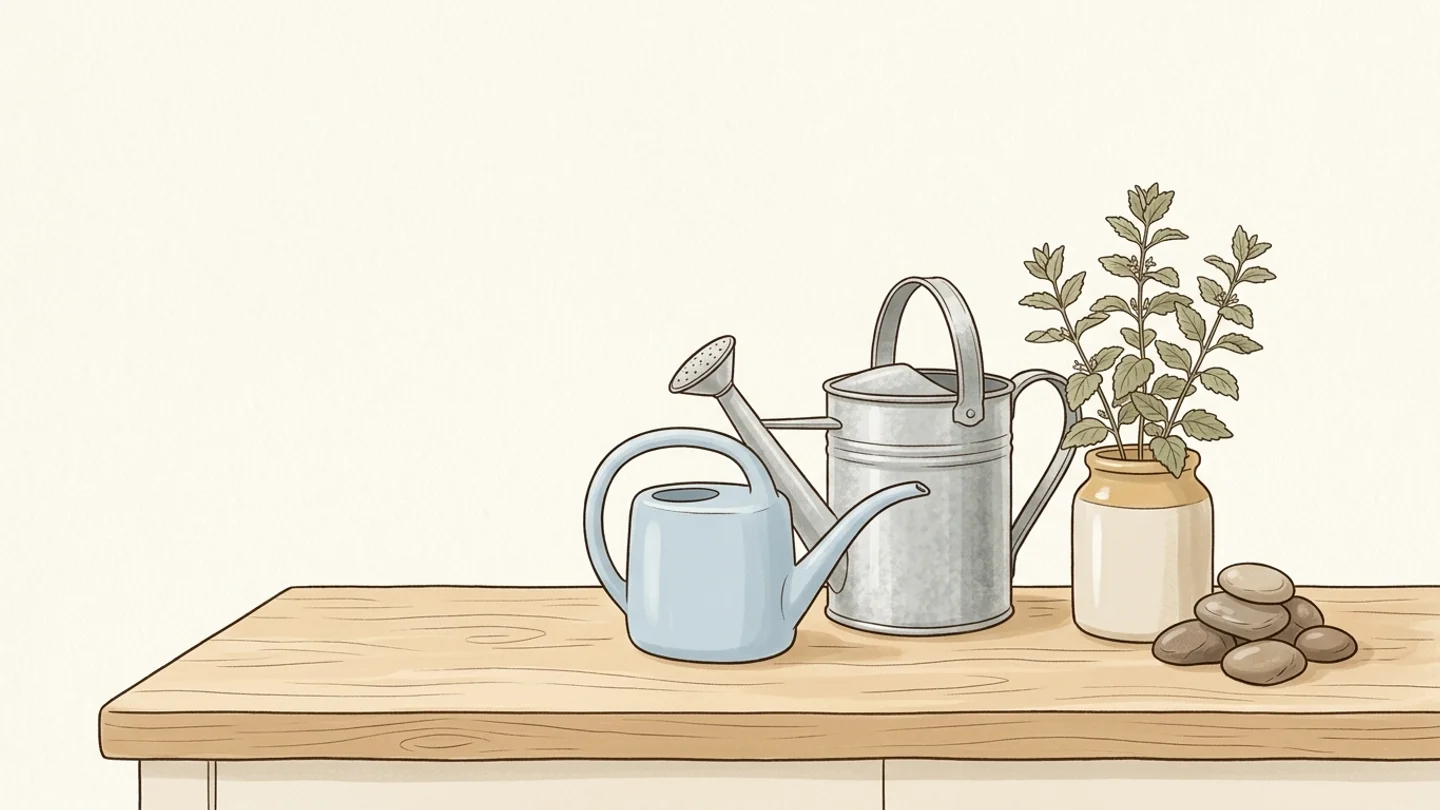
You don't need much. Gather two index cards or scraps of paper, a pencil, and whatever tools the two chores use: a dish towel, a watering can, the cutlery basket, the pet's food scoop. A kitchen timer is handy for the teaching step, though it's optional. A warm drink on the table never hurts either.
The paper cards are a home activity, separate from Chorzle. On each card, the person who usually does the chore writes or draws it: "Set the table," "Water the plants," "Match socks from the dryer." Younger children can draw a fork or a plant. These cards are just for talking things through and for sticking on the fridge as a cheerful reminder that a swap is happening.
Decide on the length before you start. Three days is a nice length: long enough to get the hang of a new job, short enough that nobody feels stuck. Pick a start day and a swap-back day and write both on the cards so everyone can see them. That three-day window stays the same for the whole activity.
Choosing Two Chores That Match
The fairest swaps are between jobs that are worth the same. If you use Chorzle points, pair chores with the same point value. If both chores are marked as just expected, with no points attached, they can swap too. Mixing a points chore with a just-expected one tends to muddle things, so it's simpler to leave those pairs alone.
Beyond the numbers, look for jobs that take roughly the same time and effort. Some pairs that often work well:
- Setting the table and clearing the table
- Watering the plants and wiping the bathroom sink
- Feeding the pet and refilling the pet's water bowl
- Matching socks and folding dish towels
- Taking the recycling to the bin and bringing in the mail
If you're not sure how a chore is set up, it's easy to glance at the chore list together first. The features page gives a current overview of how chores, points and rewards work in Chorzle.
Teach the New Job First
Before anyone takes over a new chore, the usual owner shows how they do it. This is the heart of the swap, and it's often the most fun part. Your older child might demonstrate exactly how much water each plant gets, or which shelf the cereal bowls go on. Setting a kitchen timer for ten minutes can give the lesson a playful, game-show feel, but it's entirely optional.
Let the teacher really teach. They can explain their little tricks, like folding napkins in triangles or checking the cat's bowl before filling it. The learner can try it once while the teacher watches. A grown-up can stay nearby to help with anything tricky, such as a heavy watering can or a high shelf.
If the job turns out to be harder than expected, that's useful information, not a failure. You can choose a different pair right then, or simplify the job together. The goal is a pleasant few days of trying something new.
Showing someone how you do a small job is a quiet way of saying, this matters, and so do you.

Recording the Swap in Chorzle
Chorzle doesn't have a swap feature, so a grown-up handles the change by hand. On the start day, a grown-up updates each chore's assignment so it belongs to the person doing it for the next three days. When the three days are up, the grown-up changes the assignments back. That's all there is to it: the paper cards are the game, and Chorzle simply shows who has which ordinary chore.
Kids can mark their swapped chore as done, just like any other. If your family has a chore set to need grown-up approval, any points arrive after a grown-up approves it, not the moment it's checked off. Families who skip approval for certain chores will see things work the way they already do.
For a small finishing treat, you might add a reward with a modest point cost, such as choosing the music while everyone tidies up after dinner, or picking the bedtime story theme for one night. Kids spend their own earned Chorzles on rewards, so nobody's balance is pooled. Cozy family time, dinner and bedtime cuddles stay available to everyone, whatever happens with points.
Adapting for Little Ones and Teens
For younger children, keep the swap gentle and small. Pairing a little one with a grown-up often works better than pairing them with an older sibling. A preschooler might trade napkin-folding for putting spoons on the table, with a grown-up close by. If your youngest uses picture mode, the illustrated chores can help them spot their swapped job, though some screens may still need a grown-up's help. The kids page shows more about how Chorzle looks for children.
Protect younger children from getting the heavier end of a trade. An older sibling shouldn't hand over a tougher job just because they can. A grown-up gets the final say on whether a pair is fair.
Teens might enjoy swapping with a grown-up instead. A teen could take over packing the recycling while a parent tries the teen's job of wiping down the counters. Teens can also suggest their own pairs and handle the teaching step entirely. Let them lead the conversation at the table if they'd like to.
Keeping It Friendly, or Stopping Early
A chore swap works best by agreement. Both people say yes before anything changes. If one child would rather not swap this time, that's completely fine. They can watch, help teach, or try next week. Being part of the family doesn't depend on joining in.
Try not to compare how each person did the job. One child's plant watering might look different from another's, and that's okay. You can talk about what each person noticed or enjoyed, rather than who did it better.
You can always stop early. If the three days start to feel like too much, a grown-up can swap the assignments back sooner, and everyone returns to their usual jobs. On a tired evening, it's fine to simply do the chores together, side by side, and leave the experiment for another week. For more simple ideas, browse other posts on The Buzz.
One Small Thing to Try
Tonight, after dinner, ask one simple question at the table: "Is there a chore anyone would like to try trading for three days?" If someone's curious, grab two scraps of paper and let them draw their jobs. Check that the chores match in points or are both just expected, show each other how they're done, and let a grown-up update the assignments. If no one's interested yet, that's fine too. The cards can wait in a drawer until the idea feels fun.
Share the work at home
Chorzle gives your family one warm, shared place for the chore list. New accounts are closed. Join the waitlist for an opening update.
Join the waitlist