Making Chores Fair When Kids Are Different
July 20, 2026 · 6 min read

September brings back the rhythm of early alarms, packed backpacks, and quiet afternoons that turn suddenly busy. When everyone gathers around the kitchen table after school, the mess gathers too. Lunch containers need emptying, shoes pile up by the door, and the recycling bin overflows. If you ask one child to clear the table and another to take out the heavy kitchen trash, you might hear quick protests about who got the harder job. It is natural for siblings to compare what is on their plates, especially when their ages or needs are far apart.
Fairness in a family rarely means handing out identical jobs. A seven-year-old and a thirteen-year-old bring different physical strength, attention spans, and school day fatigue to the kitchen counter. When we try to make every chore look identical, we often create frustration for everyone involved. Sharing household care works better when we treat fairness as meeting each person where they are, rather than measuring tasks down to the ounce.
The Kitchen Table Conversation About Fairness
You can start by clearing twenty minutes on a quiet weekend afternoon to talk openly about what fair really means in your house. Sit down together with a simple physical prop, like two different backpacks. Put a couple of light notebooks in the smaller bag and a stack of heavy reference books in the larger one. Ask your kids if it would make sense to hand the heavy load to the youngest sibling on a long walk. Most children grasp the basic truth right away: everyone carries what fits their shoulders.
Explain that in your home, being fair means everybody helps according to what they can handle today, not because a timer or a ruler says the jobs are clones. You might name a few examples out loud. A younger child can gather napkins and plastic cups from the table, while an older sibling wipes a cool countertop and stacks clean dishes. A grown-up handles hot cookware. When you explore our approach for kids, you can look for ordinary chores that fit the child's reach, available time, and current needs.
Mapping Chores to Genuine Capacity
Taking an honest look at your daily routines helps you see which tasks fit which hands. Younger kids or children with sensory sensitivities often do best with tasks that have clear boundaries and tactile simplicity. Putting clean washcloths into a low linen basket or pairing wool socks on the rug allows them to finish a task completely without juggling multiple messy steps.
Older children or those who enjoy more physical movement might prefer jobs that take them across the house or yard. They can carry the compost pail outside to the garden bin, sweep the front porch steps, or load the dishwasher racks. Here are a few ways to pair different tasks across siblings during an afternoon tidy:
- Floor care: one child picks up loose toys from the rug, while the other runs the vacuum cleaner over the clear carpet.
- Laundry routine: one child folds small hand towels, while the other carries sorted laundry hampers up the stairs.
- Pet care: one child sets out fresh water bowls, while an older sibling measures out the dry kibble and brushes the dog.
Tracking Different Work Inside Chorzle
Once you know who is doing what, you can record these routines cleanly inside Chorzle on your phone, tablet, or home computer. Grown-ups create and assign chores directly to each child, setting repeating schedules that match the family rhythm. Because you can set point values or mark certain chores as just expected, you have full flexibility over how each task is framed. You can assign different chores to different kids without forcing them to share an identical list.
Kids mark their work done in the app when they finish. In many homes, grown-up approval is required before any points arrive, which gives you a calm moment to verify that the living room floor is actually clear or that the recycling made it out to the bin. That approval step helps keep standards steady while showing your children that their effort was noticed. If you want to see how these setup tools work across devices, take a look at the app features page.
Experience Rewards That Everyone Can Enjoy
Rewards do not need to be complicated or expensive to feel meaningful. Modest experience rewards let children celebrate their efforts without turning your home into an arcade. For instance, you might set up an evening reward like choosing the bedtime read-aloud book, picking the family music playlist during Saturday pancakes, or picking which card game the family plays before bed. Affection, bedtime care, dinner, and participation in family time remain available regardless of points, but these small perks give kids a fun way to spend what they earn.
Inside Chorzle, kids spend their own earned Chorzles on available rewards that grown-ups set up. You can create rewards with point costs and assign them to particular children or make them shared for anyone to claim. When approval is required on tasks, points arrive only after you check the work, so spending stays predictable. To see how these tools fit into household planning, you can learn more about our simple pricing on our website.
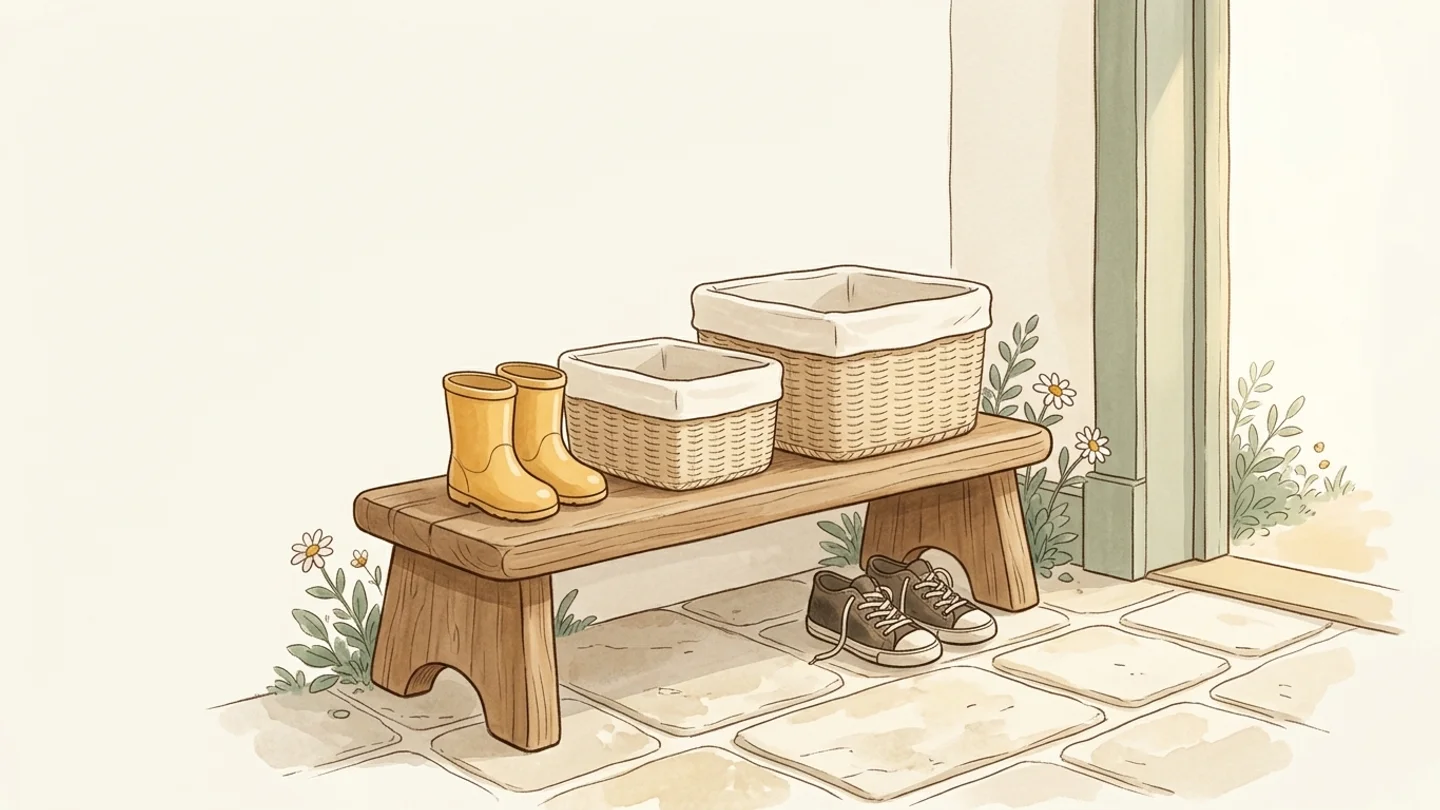
Fairness is not giving everyone the exact same shoe; it is making sure everyone has shoes that fit.
Adapting for Younger Kids, Older Siblings, and Off Days
A plan that looks great on paper will still need adjustments when life happens. For early elementary children, keep lists short and visually concrete. A child who is still learning to read can focus on one single task, like setting napkins on the table, while you work right alongside them. Teens and tweens often prefer clear autonomy, taking responsibility for their own laundry hampers or lawn care on their own schedule before a weekend cutoff.
On tired days, during a cold, or after a long day of school testing, give yourself permission to simply do less together in real life. You do not need to push through a rigid routine when household energy is completely drained. You can wash dishes side by side, let the toy basket wait until tomorrow morning, or shorten the evening tidy to a quick five-minute sweep. Exploring practical household guides on The Buzz blog can give you plenty of warm ideas for navigating those uneven days.
An Optional Fifteen-Minute Saturday Reset
If you want a low-stress way to practice this balance together, try a fifteen-minute Saturday Reset. Pick a single shared space, like the living room or family hallway. Set an ordinary kitchen timer on the counter for fifteen minutes. Before starting the timer, assign one specific task to each child that matches their age and mobility. One might collect wayward shoes, another can wipe down the coffee table with a cloth, and an older child can carry full trash bags to the garage.
When the kitchen timer rings, stop completely, even if a few stray socks remain on the floor. Thank everyone for pitching in their part. If your kids had chores listed in Chorzle for that room, they can mark them done, and you can approve them whenever you do your evening check-in. If fifteen minutes feels too long for younger siblings, choose an optional eight-minute version before you begin, and stop at that shorter limit. The goal is simply working alongside each other with realistic expectations.
Tonight, choose just one small chore and talk with your kids about who is best suited to help with it. Keep the conversation light, adjust the job to fit the child, and let that be enough for this week.
Share the work at home
Chorzle gives your family one warm, shared place for the chore list. New accounts are closed. Join the waitlist for an opening update.
Join the waitlist