Running a Pretend Cafe in the Kitchen
June 22, 2026 · 7 min read
September brings crisper air and full school days, and by late afternoon the kitchen is often the busiest room in the house. Backpacks sit resting near the door, homework papers scatter across the island, and dinner prep is usually well underway. Getting dishes unloaded and plates arranged on the table can feel like one more mountain to climb when energy dips. Instead of calling out repeated reminders, you can turn regular kitchen prep into an imaginary neighborhood cafe where everyone has a welcoming station.
This pretend cafe isn't a high-stress performance or an elaborate staged event. It's simply a cooperative way to get clean plates into cupboards and everyday tableware onto placemats before dinner is served. When everyone works as cafe staff instead of racing against one another, dinner setup becomes shared time rather than isolated chores. You do not need matching aprons, printed laminated menus, or fancy props to make it pleasant.
Setting Up Your Afternoon Cafe Stations
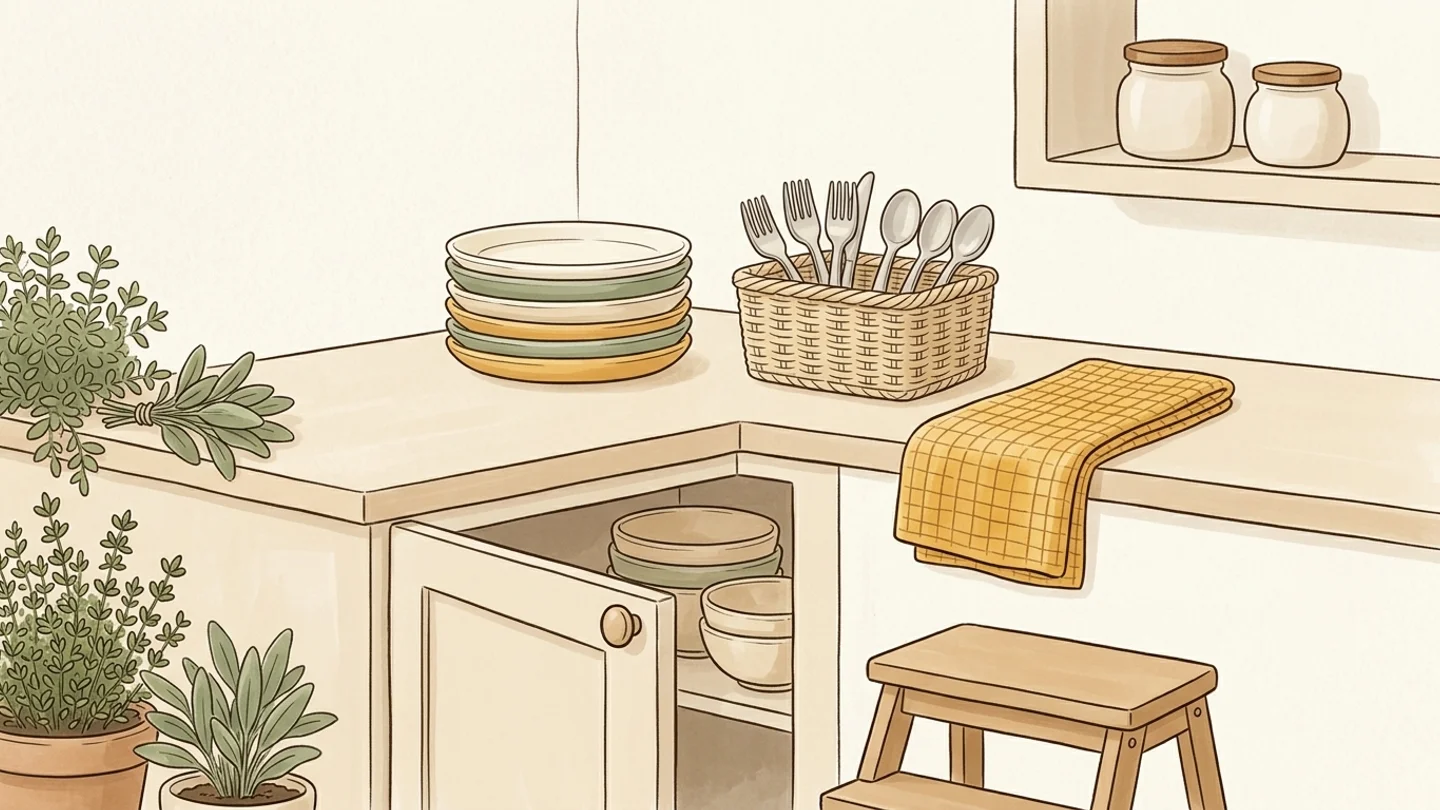
Start by setting the kitchen stage with safety clearly established. Grown-ups handle all the heat, hot pans on the stove, heavy cast iron, cleaning chemicals, and sharp knives. Children focus entirely on safe, sturdy items: sorting flatware, carrying lightweight bowls, wiping down placemats, and tucking napkins into place. You can use a kitchen towel tucked over an apron string or a paper scratchpad for taking drink orders to give the activity its cafe feel.
Give the cafe an inviting name together on a scrap of paper, such as The Golden Honeycomb Bistro, The Back Porch Grill, or The Autumn Leaf Diner. Designate one station for sorting clean tableware from the dish rack or dishwasher, another station for setting the dining surface, and a small drink prep zone where someone places water tumblers or fills pitchers. Breaking the kitchen into these simple zones keeps bodies from bumping into each other around hot cooking areas.
Place clean, unbreakable items on lower surfaces so young helpers do not have to climb on counters or reach near stovetops. A low counter or a clear end of the table works well as the cafe staging area. With safe zones marked out, everyone knows where their help is useful and where to steer clear while cooking finishes.
Keeping the Rhythm Shared Rather Than Competitive
It can be tempting to turn chores into a race to see who finishes their pile first, but speed competitions in the kitchen often lead to dropped glasses or hurt feelings. A pretend cafe works best when you explicitly frame the work as a team effort where the kitchen only opens when all stations are ready. The goal is a finished dining space, not an individual winner.
If one child finishes placing the napkins while another is still sorting spoons into drawer slots, the napkin person doesn't claim victory. Instead, cafe protocol means asking their fellow crew member how they can assist. They might carry the sorted spoons over to the counter together, or double-check that every seat has a fork on the left. Working side by side gives you a chance to show how one person can lend a hand when another station still needs attention.
You can reinforce this teamwork by giving small communal callouts as stations finish. Announcing that the bread basket station is open or that the napkin supply is fully stocked gives children a clear sense of how their individual tasks support the shared meal. It keeps the energy upbeat without creating a contest where someone ends up feeling left behind.
Recording Real Chores in Chorzle
While the cafe game happens at the counter, the actual chores remain ordinary household responsibilities. In Chorzle, grown-ups create and assign these straightforward tasks ahead of time, such as putting away clean flatware, wiping down the table, or setting out placemats and glasses. You can learn more about how to set up chores on the features page.
Kids can mark work done right on a shared family device or tablet in the kitchen. When parents set chores to require approval, points arrive after grown-up approval, so everyone knows when tasks are verified. This clear division between the fun theme and the recorded work keeps the app simple and dependable without turning routine tasks into complicated screen games. A kitchen timer ticking on the counter handles the time, while Chorzle simply logs the chores completed.
Because parents can choose repeating schedules, you can set these cafe tasks to appear automatically on school nights. This means you do not have to retype the assignments every evening. When kids finish putting away the salad bowls and wiping down the placemats, they check off their work, and you can approve it while dishing out the food.
Choosing a Small Reward for the Evening
Once the tables are cleared and set, wrap up the cafe work with an easy, modest reward that enriches the meal itself. Families can create custom rewards in the app, and kids spend their own earned Chorzles on available options. For cafe night, an experience reward works delightfully well because it complements the teamwork. These rewards provide a nice sense of ownership over the dinner atmosphere.
- Choosing the background dinner playlist or acoustic album for the meal.
- Selecting the funny conversation starter or question of the night for everyone at the table.
- Deciding which silly napkins or mismatched cloth napkins the cafe uses for dinner.
- Picking who gets to be the official drink server pouring water from the small pitcher.
Essential needs like food, warmth, affection, and dinner table participation are always completely unconditional and never tied to points. The earned reward simply lets someone pick a cheerful extra touch, like deciding what soft instrumental tracks play while everyone eats. It keeps the focus on shared enjoyment rather than material prizes.
Adapting for Younger Helpers and Older Teens
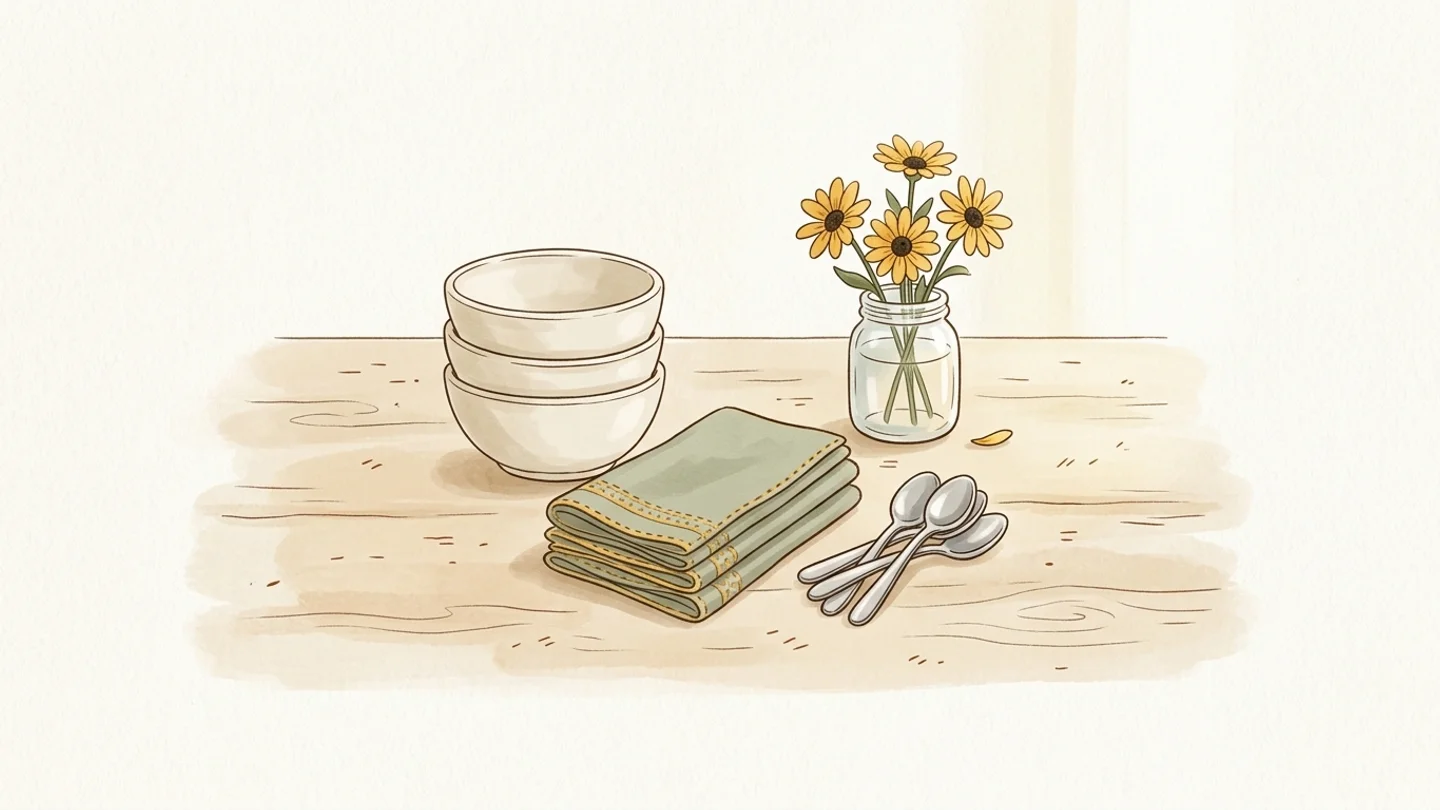
Different ages can easily participate side by side in the pretend cafe without changing the basic structure. Younger children can manage putting unbreakable cups around the table, matching spoons into drawer slots, or folding cloth napkins into simple rectangles. Giving younger kids tactile, repetitive tasks lets them participate safely without feeling overwhelmed by complex steps.
Older kids and teens might not need pretend games, but they can still be cafe shift managers who appreciate clear responsibility. A teen might handle emptying the top rack of delicate glassware, organizing pantry condiments, or setting up a beverage pitcher with ice and lemon slices. Families can explore options for kids of various ages to see what tasks fit best. When everyone has an age-appropriate post, the work feels balanced.
Sharing ordinary kitchen routines turns daily chores into small, welcoming points of connection.
If you have a wide age gap between siblings, pair them on a shared station. An older child can hand down clean plastic containers from a higher rack while a younger sibling stacks them neatly in the low cabinet. Keep each person within their safe physical reach, and let them ask for help with awkward items.
Keeping a Single Stopping Point and Permission to Simplify
Keep your pretend cafe contained so it doesn't run indefinitely. A simple fifteen-minute session is plenty of time to get tableware arranged and clean items put away without wearing everyone out. When the kitchen timer rings, the cafe shift is officially complete, whether every single bowl made it into the shelf or not. Knowing there is a firm stop keeps the mood lighter.
On particularly exhausting days after late sports practices or busy work shifts, you have full permission to simplify. You can run an optional five-minute express cafe as a shorter alternative, where people just grab their own forks and set the water cups. If energy is too low even for that, step back from the theme entirely and just carry two plates together. Doing less together in real life is always an acceptable answer when the family is tired.
Chorzle is designed to bend around your family life rather than force a rigid routine. You can always check our pricing or read more family routine ideas on The Buzz when you're looking for simple ways to support home life. The app is there to help record whatever ordinary routines work best for your household right now.
This week, try opening your pretend kitchen cafe just once before an ordinary dinner. Gather the safe clean tableware, set a fifteen-minute kitchen timer, and let everyone help set the plates together. It's a small, practical way to clear the counter, share the late afternoon work, and sit down to eat as a team.
Share the work at home
Chorzle gives your family one warm, shared place for the chore list. New accounts are closed. Join the waitlist for an opening update.
Join the waitlist