Passing the Torch to Your Teenager at Home
July 27, 2026 · 6 min read
September arrives with a subtle shift in the household rhythm. As backpacks return to the hallway bench and the calendar fills up, older kids often look taller, quieter, or simply ready for more room to breathe. They have spent years doing small assigned pieces of the work: emptying a single dishwasher rack, carrying down a hamper, or feeding a pet on command. Yet managing isolated tasks keeps the mental weight squarely on parents, who still hold the master plan.
True ownership is different from doing an assigned errand. It means handing over an entire operational domain, from planning to cleanup, and letting your teenager decide how to get it done. It requires a conscious step back from grown-ups who are used to hovering, prompting, or fixing details along the way.
Choosing a Whole Domain Instead of an Errand
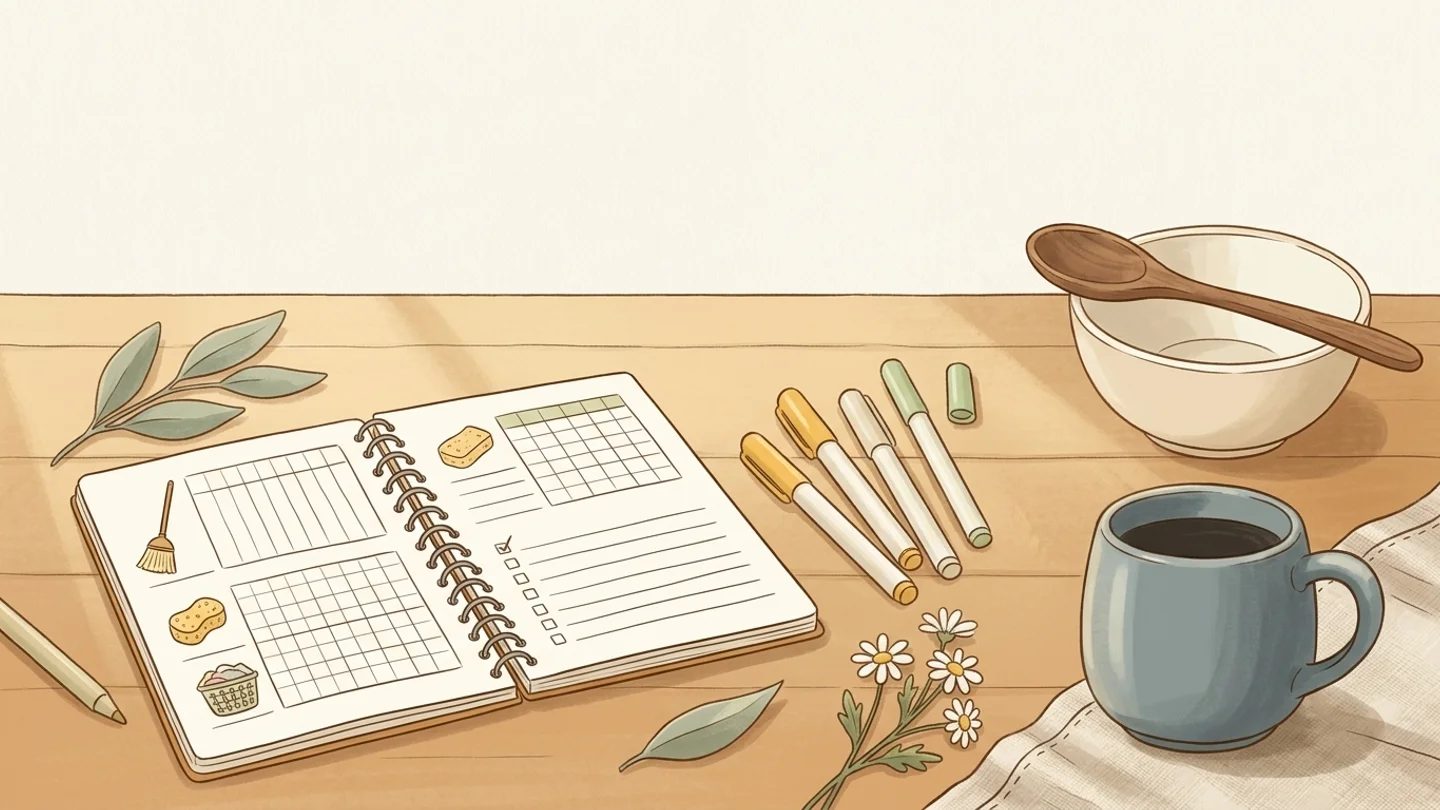
When we ask a teenager to help, we usually give them a fragment. We ask them to sweep the entryway floor, fold three shirts, or walk the recycling out to the curb. The trouble is that fragments keep the parent in the role of project manager. You still have to monitor when the bin is full, inspect the corners of the rug, and remember what needs doing next. That dynamic easily sparks friction because neither person feels fully trusted or fully relieved.
A domain, on the other hand, is a self-contained corner of household life. Consider passing along something with clear boundaries and visible edges. Good examples include managing dinner on Tuesday nights, taking complete charge of washing family towels, or running the weekend porch and entryway sweep. When you transfer a domain, your teen handles the inventory, the execution, and the timing, rather than just swinging a mop when requested.
Defining Done Together on Paper First
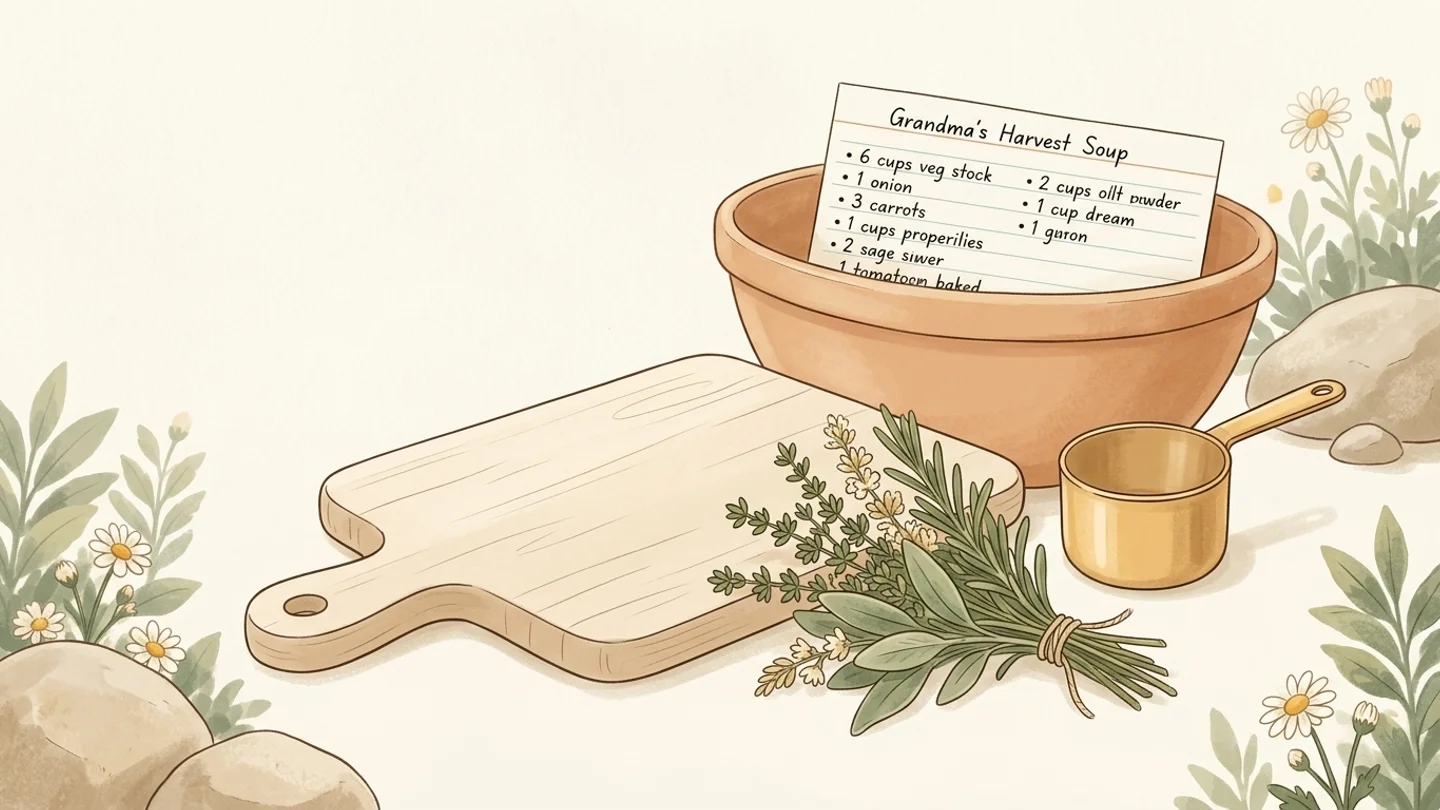
Before you change how things run, sit down together at the kitchen table for ten quiet minutes. Take a plain index card or a piece of scrap paper and agree on what a finished domain actually looks like. If the job is Tuesday dinner, what does done mean? It probably means a simple main dish is served, condiments are put away, and the pans are soaking or rinsed in the sink before bedtime. Keep this paper note pinned somewhere central like the fridge.
Be careful not to turn this conversation into a hidden test. Ask your teenager what standards make sense to them, and listen to where they want freedom. They might prefer washing pots while music plays late in the evening instead of right after eating. If the pans are clean by the next morning, that method works. Setting shared boundaries on paper prevents mid-task hovering, because the expectations were agreed upon before anyone lifted a spoon.
Setting Up the Work in Chorzle
Once your domain has clear edges, you can set it up inside Chorzle to keep track of the rhythm without verbal nagging. In the app, a grown-up creates and assigns the repeating chore to the teenager. You might decide the task is just expected as part of being an older member of the house, or you can attach points to it. On our features page, you can see how families configure these repeating schedules to match their week.
When a teenager marks their work done in the browser on their own device or a shared family tablet, the entry shows up for grown-up review. Remember that earned Chorzles arrive only after grown-up approval when approval is turned on for that chore. This simple step creates a built-in checkpoint where you can acknowledge the finished job without standing over their shoulder while they do it. It keeps the logistics smooth without turning you into an inspector.

Stepping Back and Resisting the Urge to Edit
The hardest part of handing over real responsibility is doing nothing while it unfolds. Your teenager will load the dishwasher in ways that look upside down to you. They will fold bath towels into strange, puffy rectangles instead of neat thirds. They might choose to cook dinner with three spatulas when one would have done the trick. Unless there is an immediate safety concern, hold your tongue and let them experiment.
Stepping back means letting someone else solve the puzzle in their own handwriting.
If you walk behind them re-folding towels or restacking plates, the message is clear: this is still your job, and they are merely doing it wrong. Leaving the domain in their hands means accepting that their way is completely valid as long as it reaches the agreed finish line. Over on the Buzz, we often talk about keeping family routines grounded in mutual respect, and quiet restraint from parents is where that respect begins.
Modest Rewards and Flexible Roles
Taking on a larger chunk of household responsibility can pair naturally with small, meaningful perks that fit an older child. If your family uses point values, kids spend their own earned Chorzles on available rewards created by grown-ups. For an older teen, experiential rewards that offer autonomy tend to feel most natural. Here are a few simple ideas that keep family connections warm without requiring big purchases:
- Choosing the full soundtrack for the next family road trip or grocery run.
- Picking the Friday night documentary or movie for everyone to watch together.
- Selecting a weekend board game and deciding who gets the first turn.
- Calling dibs on the comfortable living room armchair for Sunday afternoon reading.
Meanwhile, younger siblings can watch how this independence works. While a teen manages the entire recycling process, a younger child might simply carry cardboard boxes out to the garage as shown in our guide for kids. Each child sees that as they grow older, their scope expands, along with the trust granted to them.
When to Pause, Reset, or Change Direction
Some weeks simply go off the rails. High school sports, heavy exam schedules, or seasonal fatigue can make an agreed domain feel like a mountain. If you notice things sliding, avoid treating the breakdown as a disciplinary crisis. Instead, treat it as practical data. Sit down together and evaluate whether the scope is too wide for this particular month.
You always have full permission to simplify. You can agree to pause the domain for a week, step in to help side-by-side without shame, or break the job back down into smaller pieces until life calms down. A healthy household rhythm flexes as seasons change. The goal is to build mutual trust in everyday living, not to run an inflexible factory.
This week, pick one small household domain you currently manage yourself. Ask your teen if they would be willing to take it over entirely for the next two weeks, agree on what done looks like, and give yourself permission to look away while they try.
Share the work at home
Chorzle gives your family one warm, shared place for the chore list. New accounts are closed. Join the waitlist for an opening update.
Join the waitlist