Noticing the Real Work Behind Every Chore
August 24, 2026 · 6 min read
Late September afternoons often bring a familiar hum to the living room. Backpacks land near the radiator, lunch containers wait by the sink, and everyone moves through the hours between school dismissal and dinner. It's easy in that late-day rush to run on autopilot. A child carries an armload of books upstairs, and without looking away from the cutting board, a grown-up tosses out a quick good job. It's polite, well-meaning, and almost entirely reflex. Later, you might wish you had paused long enough to say which part of the job you noticed.
Learning to pause and name the actual detail takes only a few seconds, but it changes the temperature of the room. When you notice that someone stacked the shoe rack so the boots don't tumble, or that they remembered to wipe the peanut butter off the counter edge, you're paying quiet attention. That specific notice grounds the work in reality. It treats what kids do not as a performance to evaluate, but as practical care that keeps the family moving forward.
The Difference Between Fast Praise and Real Noticing
Quick compliments tend to center on judgment. Words like good, great, or awesome roll off the tongue easily when you're stirring a pot of soup, but they give very little information. A child hears that you approve, yet they may not know what caught your eye. Over time, automatic cheerleading can feel more like background noise than genuine warmth, leaving kids guessing about what actually mattered in the space you share.
Noticing, on the other hand, describes what happened in plain language. You simply report what your eyes register. You might say that the hall floor is clear enough to walk through without stepping on sneakers, or that the clean laundry basket made it all the way to the bedroom closet. By describing the tangible outcome, you allow your child to take in the result of their own hands without handing down a grade on their effort.
Setting Up the Stone in the Bowl Activity
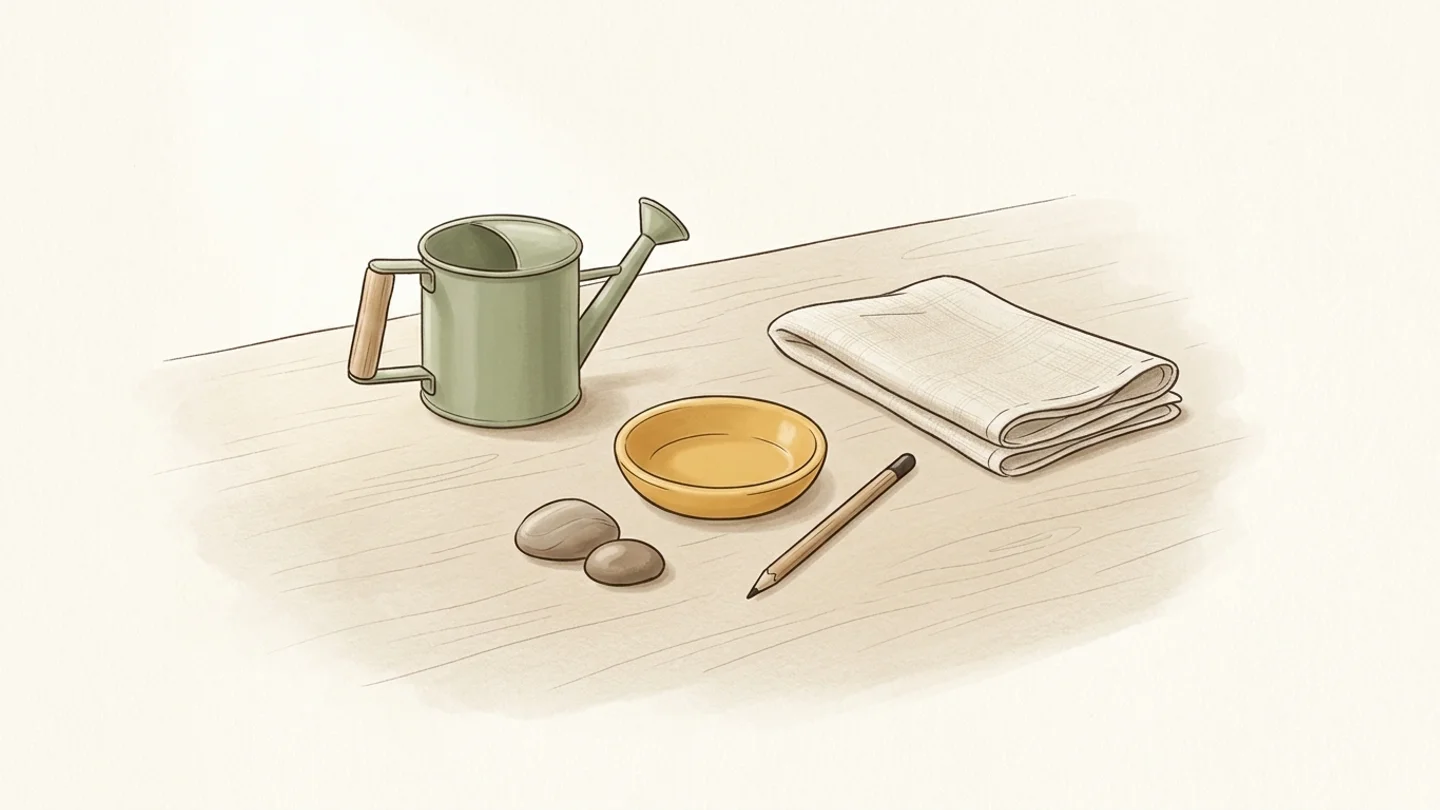
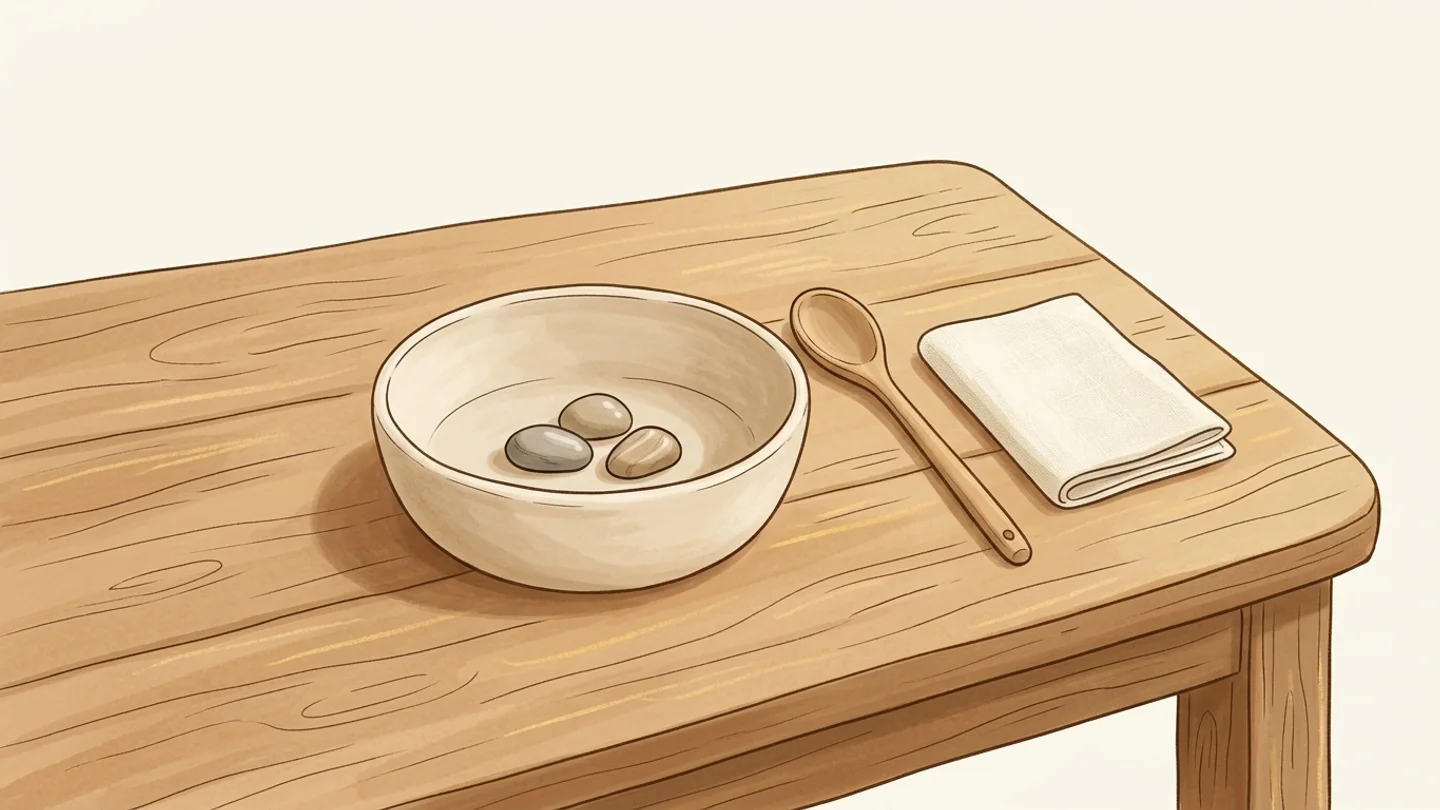
If you'd like a tactile way to practice this kind of observation together this week, try an activity called Stone in the Bowl. You only need two everyday items: a shallow ceramic dish placed in the center of the kitchen table and a small handful of large smooth stones kept in a saucer nearby, out of reach of children who still put objects in their mouths. The physical presence of the dish acts as a friendly visual cue for the adults just as much as for the children.
The setup takes less than two minutes. Let the family know that whenever a grown-up notices a specific physical task finished with care, one stone moves into the wide dish with a single factual sentence. If a younger child puts away the pet food scoop and tightens the lid, a stone clicks into the bowl while you mention that the dog food won't spill now. The goal is not to fill the dish to the brim by nightfall, but simply to give your shared attention a quiet home on the table.
Using Plain Observations for Everyday Tasks
Finding the words to describe ordinary chores gets easier once you practice. Instead of offering an evaluation, point toward the problem that got solved or the relief created in the room. Here are three straightforward examples you can use right away during your evening reset:
- You lined up the library books on the bottom shelf with the spines facing out, so nobody has to hunt for the bedtime story tonight.
- The kitchen compost bin is empty, and you rinsed out the corners so it smells fresh for tomorrow morning.
- You carried the dry towels straight from the rack into the linen cupboard without leaving them draped on the banister.
Notice how each sentence simply pairs a completed physical action with the natural benefit it brings to the house. When kids check off their jobs, you can explore how Chorzle works to see how simple routines stay organized on any browser or shared family device, leaving you free to focus on these human conversations.
Recording Chores and Approvals in Chorzle
In the Chorzle web app, grown-ups create and assign the household chores, decide whether they carry Chorzle points or remain just expected, and set up repeating schedules. When children complete their tasks, they mark the work done on the family tablet or phone. If your household uses approval requirements, the points don't appear instantly; they arrive only after a grown-up looks over the job and gives approval. You can read more about how this works on our children's overview page.
That approval moment offers a wonderful pause for genuine noticing. Instead of tapping a screen in silence while hurrying past, you can take thirty seconds to look together at the swept entryway or the neatly cleared draining board. You might say, I see the broom is back on its hook and the dustpan is empty, then approve the entry so their earned Chorzles land in their balance.
A chore is not just an item crossed off a list; it is a small, steady gift of comfort offered to everyone who lives inside the house.
Modest Rewards and Adapting Across Ages
Kids spend their own earned Chorzles on rewards your family sets up together. Keep rewards grounded in simple shared experiences rather than material prizes. A lovely example that pairs well with the Stone in the Bowl idea is choosing the music playlist for thirty minutes of dinner prep, picking the audiobook chapter for the commute, or choosing which board game gets opened on Friday night. Basic family care, affection, food, and storytime remain steady regardless of point balances.
You can adapt this observing practice across different ages. For early elementary kids, focus on concrete physical details, such as noticing that all four corners of the bedspread are pulled flat. For teenagers, who often prefer subtle acknowledgment over public commentary, a quiet sentence spoken directly without an audience works best: Thanks for taking out the recycling before the truck arrived, it helped with the morning rush. For families curious about our small business, new account creation is currently paused while we operate on a waitlist, and you can see current subscription details on our pricing page.
Permission to Pause or Keep It Simple
Some evenings don't go according to plan. A child might arrive home exhausted from an autumn sports practice, or a grown-up might be running low on patience after a stressful workday. If the Stone in the Bowl feels like another demanding chore to track on a difficult Tuesday, feel completely free to put the stones away in a drawer and leave the bowl empty. There is no requirement to keep a tally or turn every single chore into a moment of mindful reflection.
An alternative, simpler option is to pick just one single chore during the morning routine to notice out loud. You might simply observe that the breakfast bowls made it into the soapy water, and leave the rest of the day unremarked. Giving yourself permission to scale back protects the warmth of your home. You can always browse more calm household ideas across The Buzz whenever you want a fresh spark.
Tonight, try letting go of automatic praise during the evening cleanup. When someone finishes a chore, pause for five quiet seconds, notice one specific thing their hands accomplished, and speak only to that real detail. Try it once and see how the conversation goes. You can ask your child whether they prefer a quiet thank-you, a shared look at the finished job, or a little space.
Share the work at home
Chorzle gives your family one warm, shared place for the chore list. New accounts are closed. Join the waitlist for an opening update.
Join the waitlist